
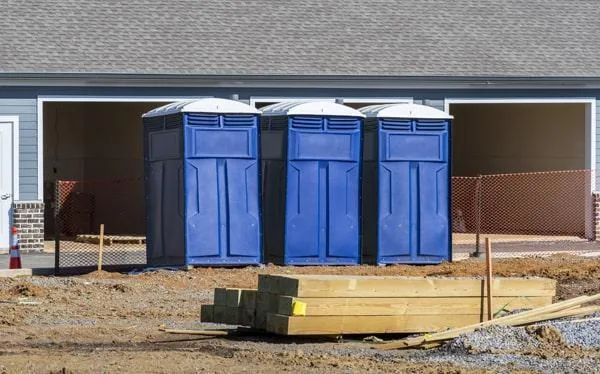
A working rental through the project
Request toilets and washing from the first occupied work period through the last crew’s use. Standard units can meet the basic requirement, with accessible or additional equipment specified for the workforce. Include whether any existing bathrooms are available to contractors.
The rental order should describe the current scope clearly: units, operating period, care and supplies. It should also identify who can request a change when the project needs more time or different facilities.
Coordinate deliveries with the site contact
Give the actual receiving entrance and the person able to show the agreed position. Share restrictions that affect arrival or service privately with the provider. A postal address alone may not identify the gate used by contractors or equipment vehicles.
Keep the sanitation arrangement coordinated with fencing, deliveries and container loading. The separate construction-site page explains equipment and placement choices; project coordination must ensure those choices remain workable.
Manage changes as part of the hire
Tell the provider when additional trades, shifts or a changed work area affect use. Ask how extra units, increased attention, an extension or a managed move would be arranged. Those changes are not automatically included simply because the project continues.
Keep a responsible contact through shutdown periods and the final cleanup. Collection should follow actual last use and the agreed request procedure, not an assumption based on the original completion estimate.
Get the terms your site can work with
Send the address, dates, user pattern and equipment requirements. Request transport, rental duration, pumping, cleaning, supplies and removal in the proposal. If a dumpster is also needed, provide its materials and loading details separately so the two services are not confused.